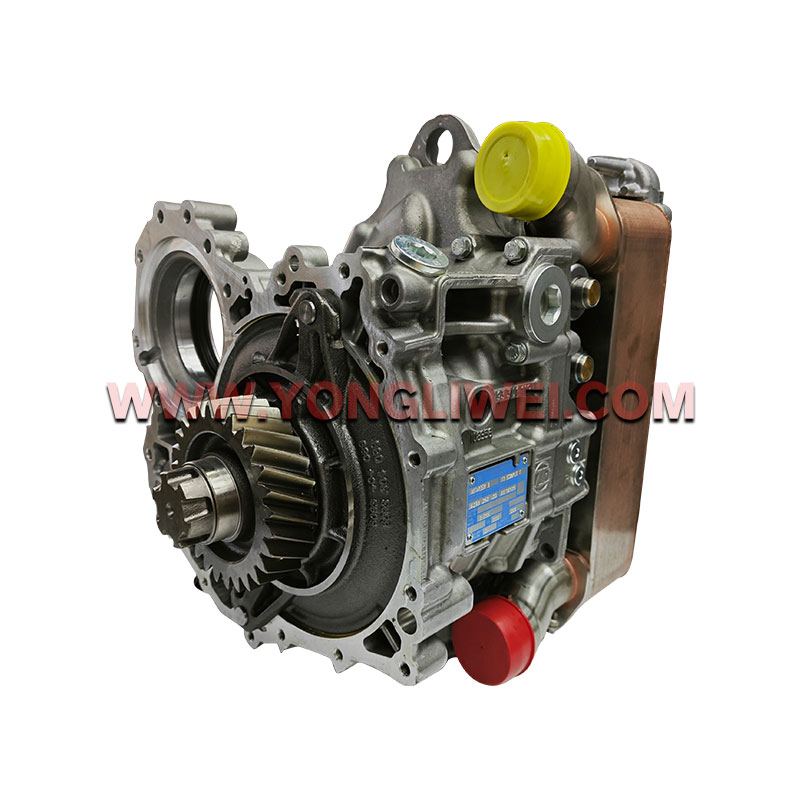
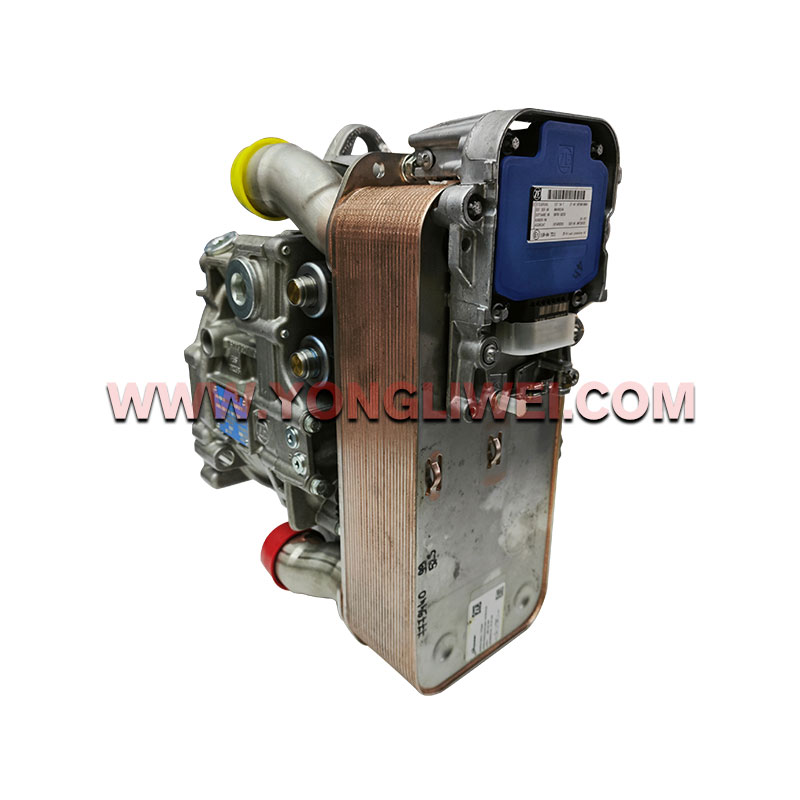
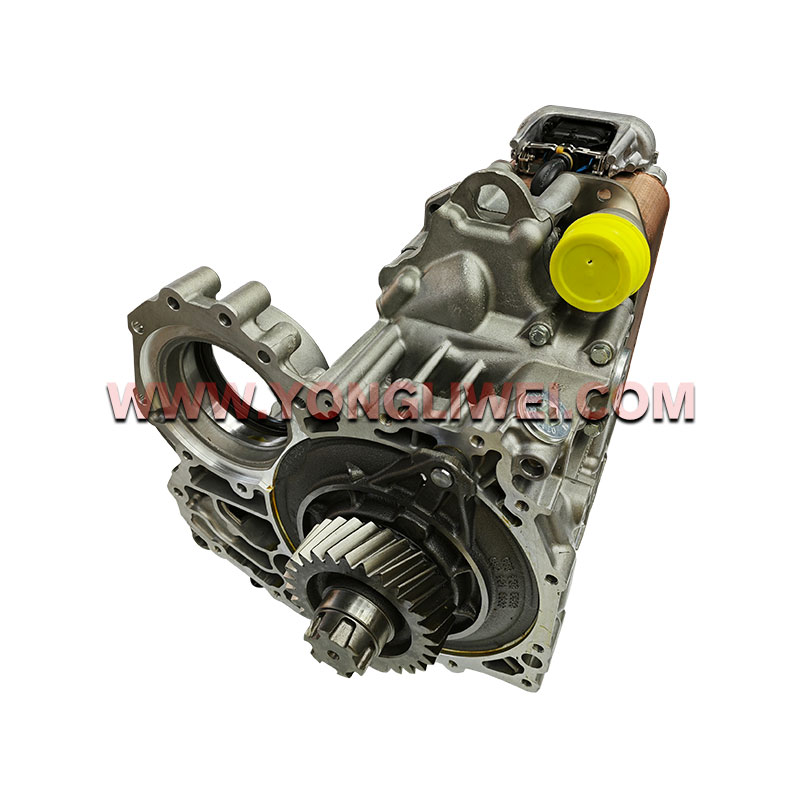
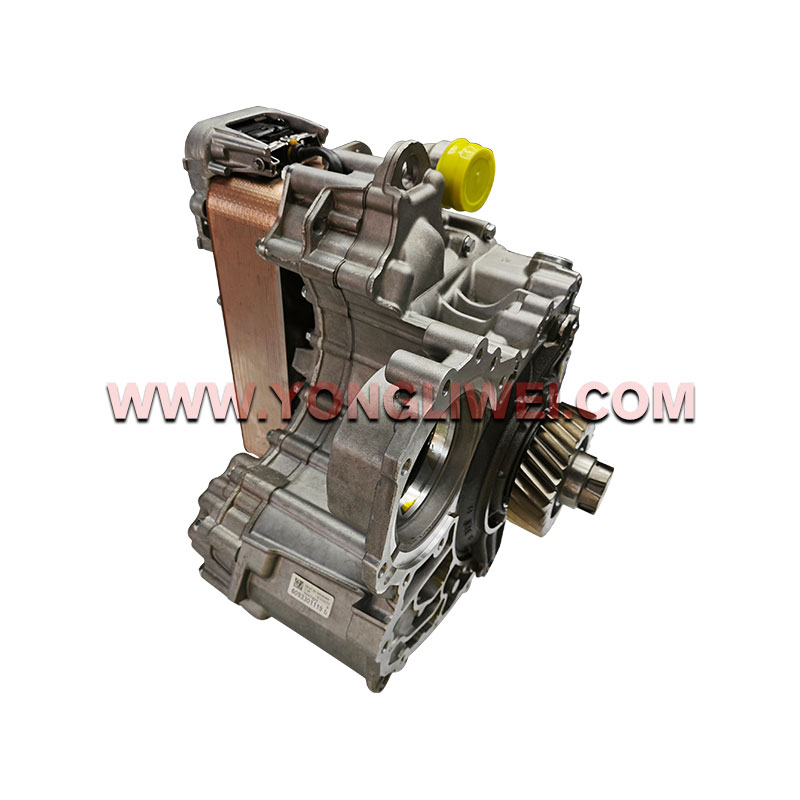
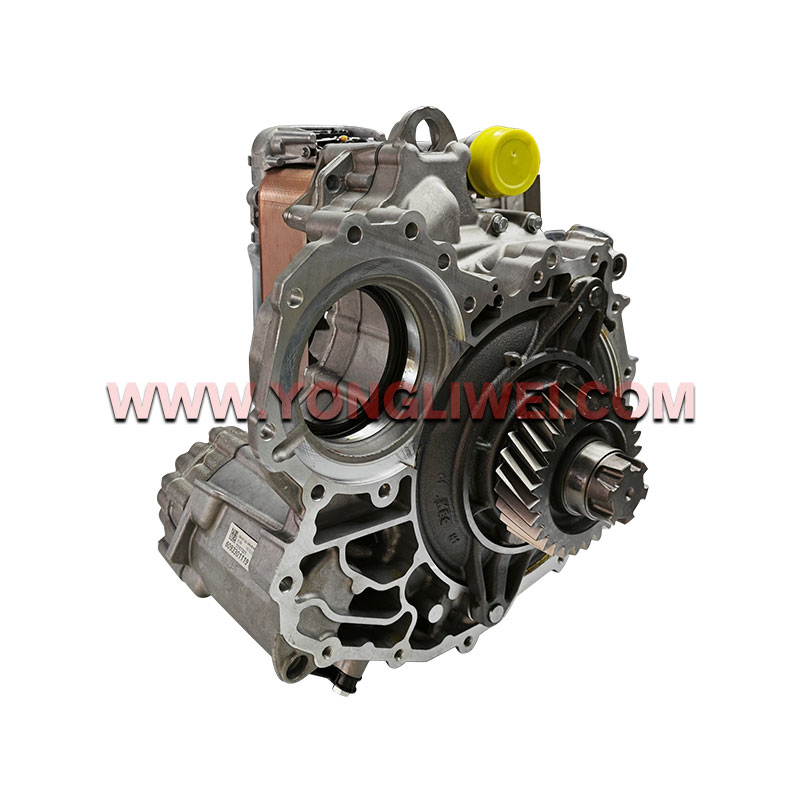
The ZF Intarder 3 is a sophisticated auxiliary braking system designed to provide wear-free, continuous braking for heavy-duty commercial vehicles, fundamentally enhancing safety and reducing operational costs. This hydrodynamic retarder is a vital component in modern truck and coach transmissions.
Fading-Free Performance: The most critical safety feature is the elimination of brake fade. The Intarder 3 operates with a water/oil heat exchanger that constantly dissipates heat, allowing it to maintain full braking power even over extended downhill gradients.
Reduced Stopping Distances: By utilizing an independent braking system, the service brakes remain cool and fully available for emergency stops, leading to shorter stopping distances when they are needed most.
Integrated Safety Functions: The system integrates seamlessly with the vehicle's Anti-lock Braking System (ABS) and Electronic Braking System (EBS), ensuring stability and preventing wheel lock-up during intense retardation. The driver can select multiple braking stages via a steering column stalk.
Significant Reduction in Maintenance Costs: The primary economic benefit comes from the wear-free design. Operators report massive reductions in the consumption of brake pads and discs. In some applications, the lifespan of friction brakes can be extended by a factor of eight to ten times.
Reduced Downtime: Fewer brake component replacements mean vehicles spend less time in the workshop and more time on the road, increasing overall fleet profitability and utilization rates.
Improved Resale Value: Vehicles equipped with an integrated Intarder system often maintain a higher resale value due to the proven longevity of the braking components and the added value of the safety feature.
Reduced Driver Fatigue: The driver no longer needs to manually "stab" or pump the service brakes repeatedly on long slopes. The multi-stage control allows for precise speed management using a simple stalk control, reducing physical and mental fatigue.
Quiet Operation: As a fluid-based system, the Intarder 3 operates silently, contributing to a quieter cabin environment compared to engine brakes or exhaust brakes, which can generate significant noise.
Stator and Rotor: The system comprises two main components: a rotor that is mechanically connected to the vehicle's driveline (rotating with the driveshaft) and a fixed stator attached to the transmission casing.
Fluid Dynamics: When the driver activates the retarder, transmission fluid is pumped into the housing. As the rotor spins rapidly, it accelerates the fluid, which is then directed by the fixed blades of the stator.
Torque Generation: This redirection of the fluid creates massive resistance (torque) against the spinning rotor, which slows down the driveshaft and, consequently, the vehicle. The more fluid that is pumped into the housing, the greater the braking torque achieved.
Heat Dissipation: The energy generated during this process is converted into heat within the fluid. The oil temperature can rise rapidly.
The hot transmission fluid is circulated through a compact heat exchanger built into the unit.
Engine coolant (water/antifreeze mixture) flows through the other side of the exchanger.
The heat is transferred from the oil to the engine coolant and is then dissipated through the vehicle’s main engine cooling system (radiator). This ensures that the engine cooling capacity is harnessed to maintain optimal operating temperatures for the retarder, allowing it to brake indefinitely without overheating.
Maximum Braking Torque: Depending on the specific version (Power or Eco), the Intarder 3 can generate a maximum braking torque of up to 4000 Nm (4000 Newton meters). This is a formidable amount of stopping power, often exceeding the engine’s power output.
Weight: The unit is relatively lightweight for its capability, typically weighing around 50–60 kg, which minimizes the overall weight penalty for the vehicle.
Integration: It is designed to be a "fit-and-forget" solution, deeply integrated within the transmission housing, which saves space and simplifies installation compared to aftermarket or separate driveline retarders.
Electronic Control: The system is governed by a dedicated ECU that manages fluid levels, temperature monitoring, and communication with the vehicle's central computer network (CAN bus).
Trucks: Widely used in long-haul and distribution trucks manufactured by major OEMs such as DAF (e.g., XF105 models), MAN, Renault, and Iveco. It is generally paired with ZF manual or automated manual transmissions like the 12-speed or 16-speed Ecosplit and TraXon series.
Coaches and Buses: Essential for passenger transport where safety on hilly routes is paramount, providing smooth, reliable auxiliary braking for large coaches.
The ZF Intarder 3 represents a crucial technological advancement in commercial vehicle safety and efficiency. By providing reliable, powerful, and wear-free braking, it delivers significant peace of mind for drivers and substantial cost savings for fleet operators globally.
ZF Ecosplit 9S1820 ECOMID 9S1110TO 9S1310TO 9S75 EcoMid 9S109 heavy-duty manual truck gearbox Ecosplit 9S1820 ECOMID 9S1110TO 9S1310TO 9S75 bus coach truck Transmission EcoMid 9S109 IVECO DAF MAN RENAULT ZF ASTRA FOTON Kamaz Hino DONGFENG
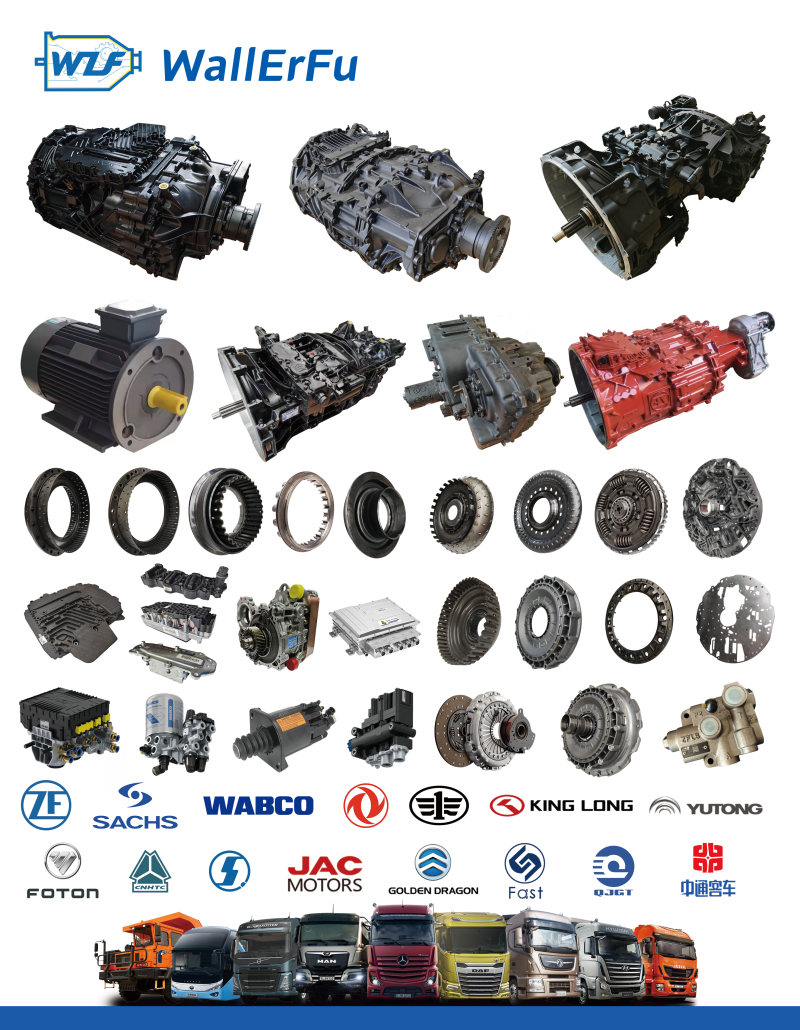
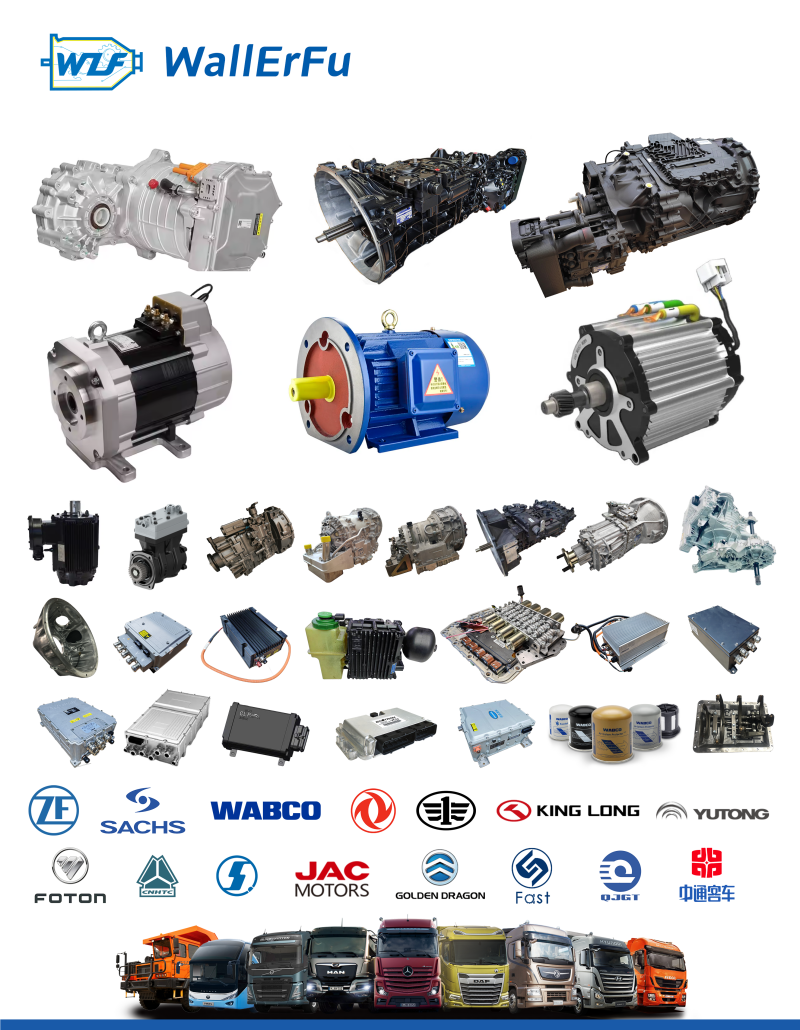
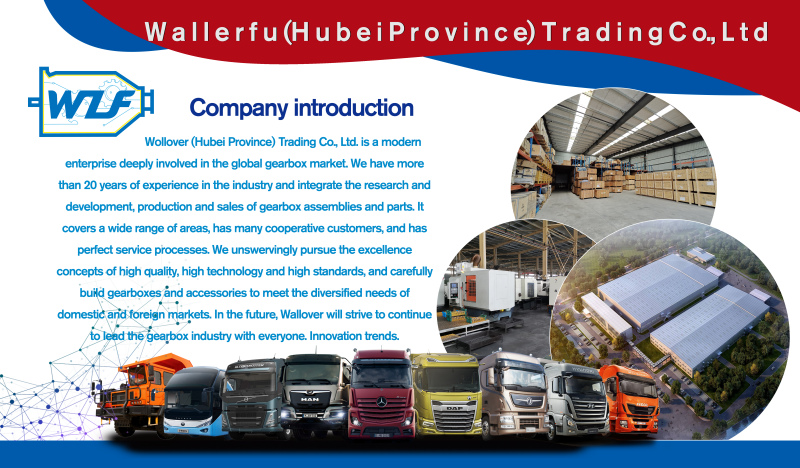
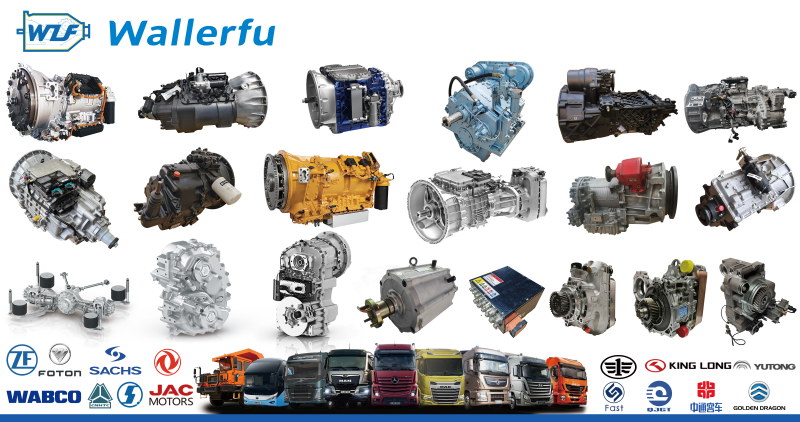
Shiyan Yongliwei Industry and Trading Co., Ltd. and Wallerfu (Hubei Province) Trading Co., Ltd. are both subsidiaries of our company. We specialize in supplying truck and bus transmissions and parts.
If you need more brands, gear ratios, and types of transmissions, please click to contact us and send us the information you require. The transmission assemblies and parts mentioned above are all available.
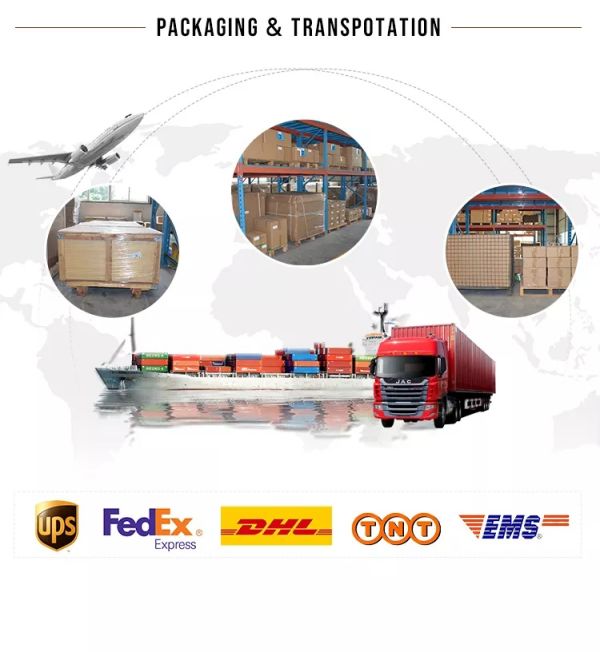
Generally, in-stock items can be shipped within fifteen days, while some that require preparation time can be inquired about in detail.
Our product quality is very good, all are original factory parts.
We will guarantee that your product has a three-month shelf life, and we can discuss the details.
one