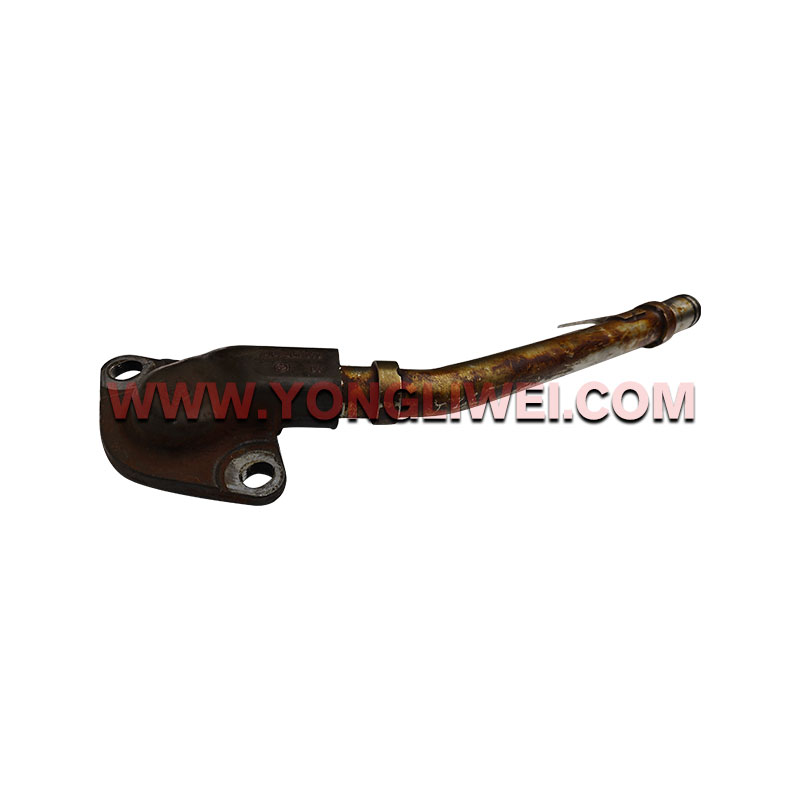
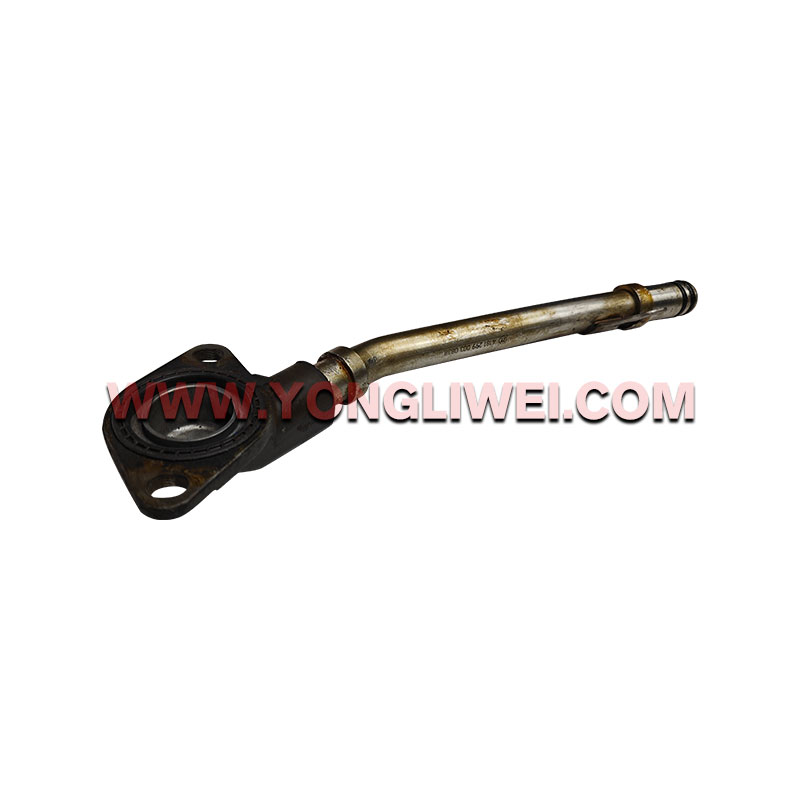
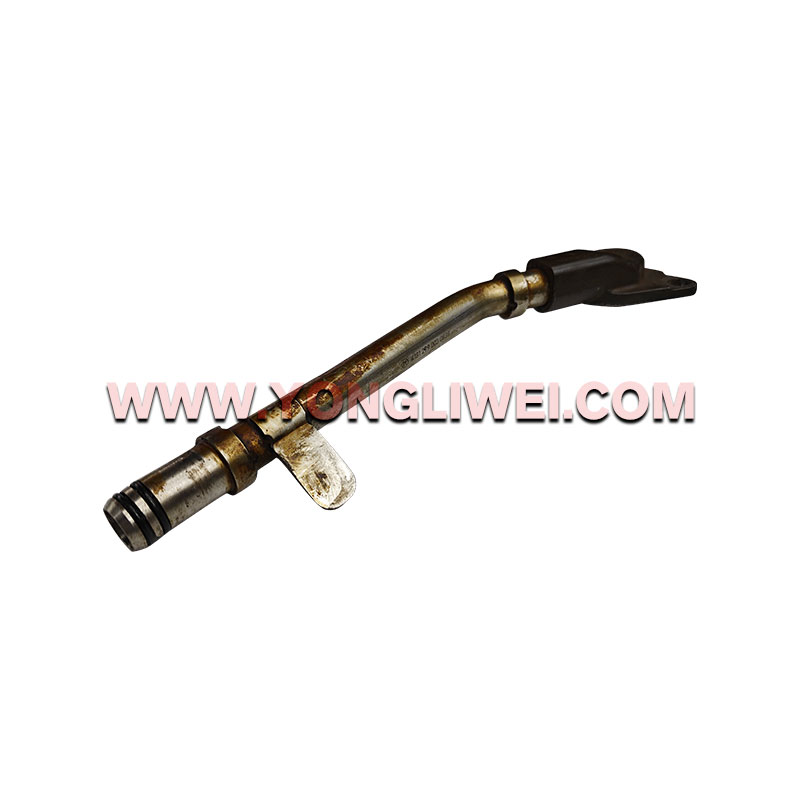
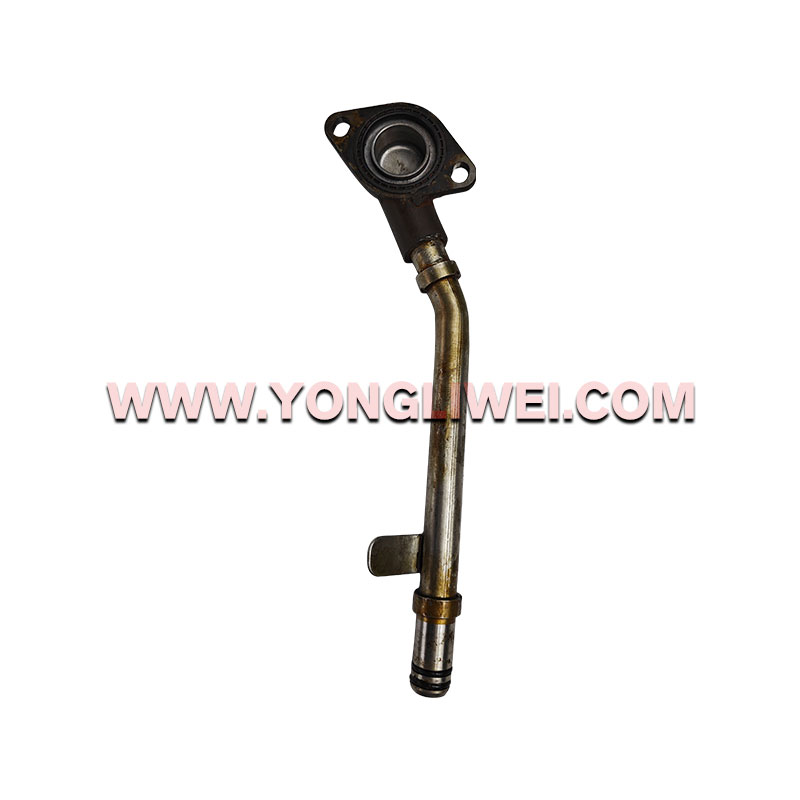
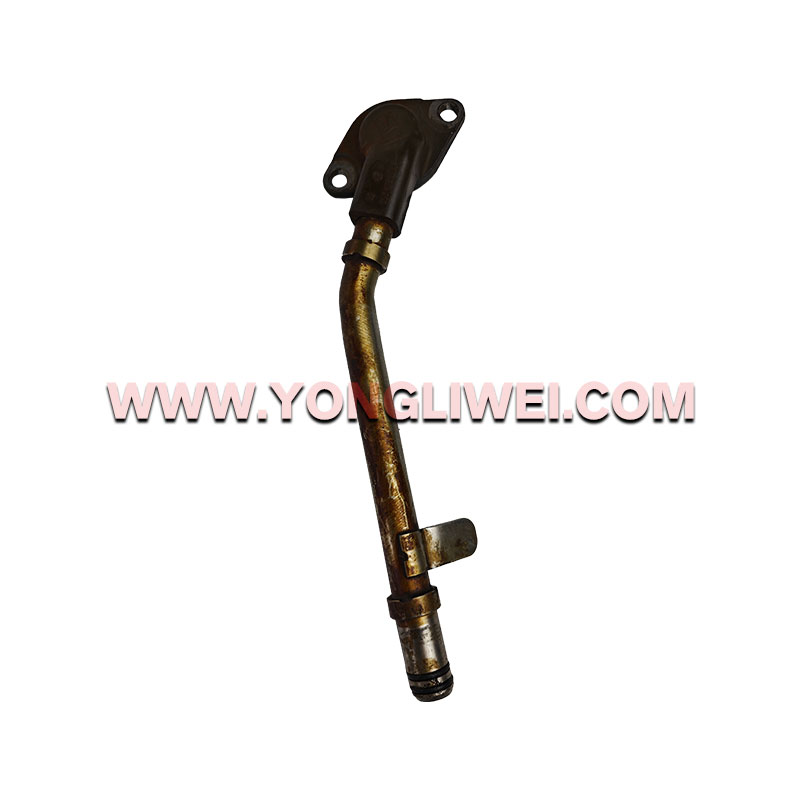
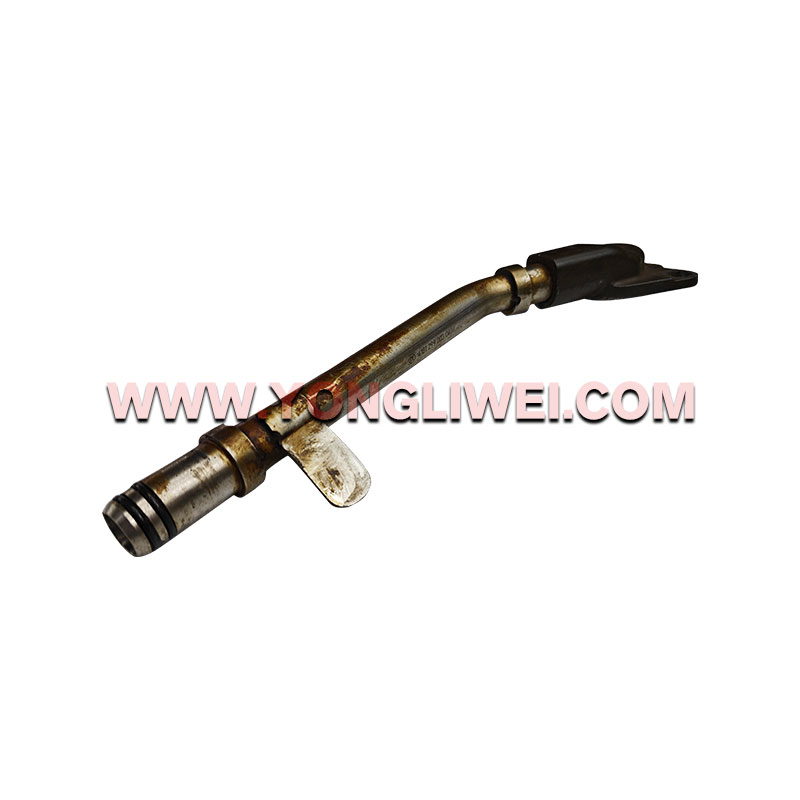
The engine oil pump pickup tube, often referred to as the oil strainer assembly, is arguably one of the most critical yet frequently overlooked components within an internal combustion engine’s lubrication system. Its function is simple yet vital: to efficiently transport engine oil from the oil sump (pan) to the positive displacement oil pump, ensuring continuous lubrication of all vital engine components. The performance and integrity of this single part directly correlate with the longevity and health of the entire powertrain.
Technical Specifications & Design
This specific component features a pragmatic, robust design typical of many automotive and heavy-duty applications:
FeatureDetail
Component TypeOil Pump Pickup Tube / Suction Pipe Assembly
MaterialSteel tubing, cast or stamped steel flange
MountingTwo-bolt flange connection
FiltrationIntegrated coarse wire mesh screen
ApplicationWet Sump Engine Lubrication Systems
CompatibilityVaries by specific engine model; this design is common in heavy-duty applications.
The critical design element is the precise bend and length of the tube, engineered to position the strainer as close to the bottom of the oil pan as possible without resting on the bottom. This maximizes oil suction capability during vehicle dynamics (acceleration, braking, cornering) and low oil levels, preventing oil starvation.
Functionality in Detail
The pickup tube ensures the circulatory system of the engine functions correctly:
Suction Point: It acts as the intake manifold for the oil pump, creating a low-pressure zone that draws oil in.
Primary Debris Protection: The integrated mesh screen is a crucial primary filter. While the main oil filter handles microscopic particles, the pickup screen stops large debris—such as RTV silicone fragments, metal shavings from component wear, or broken plastic pieces—from entering the oil pump gears/rotors. Ingestion of large debris would immediately seize the pump or bypass valve, leading to catastrophic engine failure.
Flow Dynamics: The internal diameter of the tube is specifically calculated to provide optimal oil flow (viscosity considered) to the pump while minimizing cavitation (the formation of air bubbles in the oil stream), which can reduce lubrication effectiveness and damage the pump over time.
Material Science and Manufacturing
The durability of this component is paramount. It must operate continuously submerged in hot engine oil, resisting chemical degradation, high temperatures, and vibration.
Tubing: The main pipe is typically seamless or welded steel tubing.
Flange: The mounting flange, often cast iron (as it appears here) or robust stamped steel, provides a rigid, flat mounting surface that seals securely to the pump or engine block using a gasket or O-ring seal.
Welds: High-quality welding joins the tube, flange, and screen housing. The integrity of these welds is vital; a failed weld can lead to an air leak, causing the pump to suck air instead of oil, which leads to immediate oil pressure loss.
Common Issues and Maintenance
While this part is designed to last the life of the engine, it can be a source of potential issues if not handled correctly during engine assembly:
Improper Installation: Incorrect spacing from the oil pan floor or a poor seal at the flange are common assembly errors that lead to oil pressure problems.
Blockages: Over time, accumulated sludge or debris on the strainer screen can restrict flow, leading to low oil pressure issues, especially under high-demand scenarios. The screen is designed to be cleaned during engine servicing or builds.
Cracked Welds: Although rare in quality components, extreme vibration or impact (e.g., hitting the oil pan on an obstacle, which bends the tube upwards) can crack welds, introducing air into the system and causing pressure loss.
The part shown, branded by YORWEI (a supplier of automotive transmission assemblies and parts), fits within this general description of a reliable, heavy-duty engine component designed for sustained performance in working vehicles.



Generally, in-stock items can be shipped within fifteen days, while some that require preparation time can be inquired about in detail.
Our product quality is very good, all are original factory parts.
We will guarantee that your product has a three-month shelf life, and we can discuss the details.
one